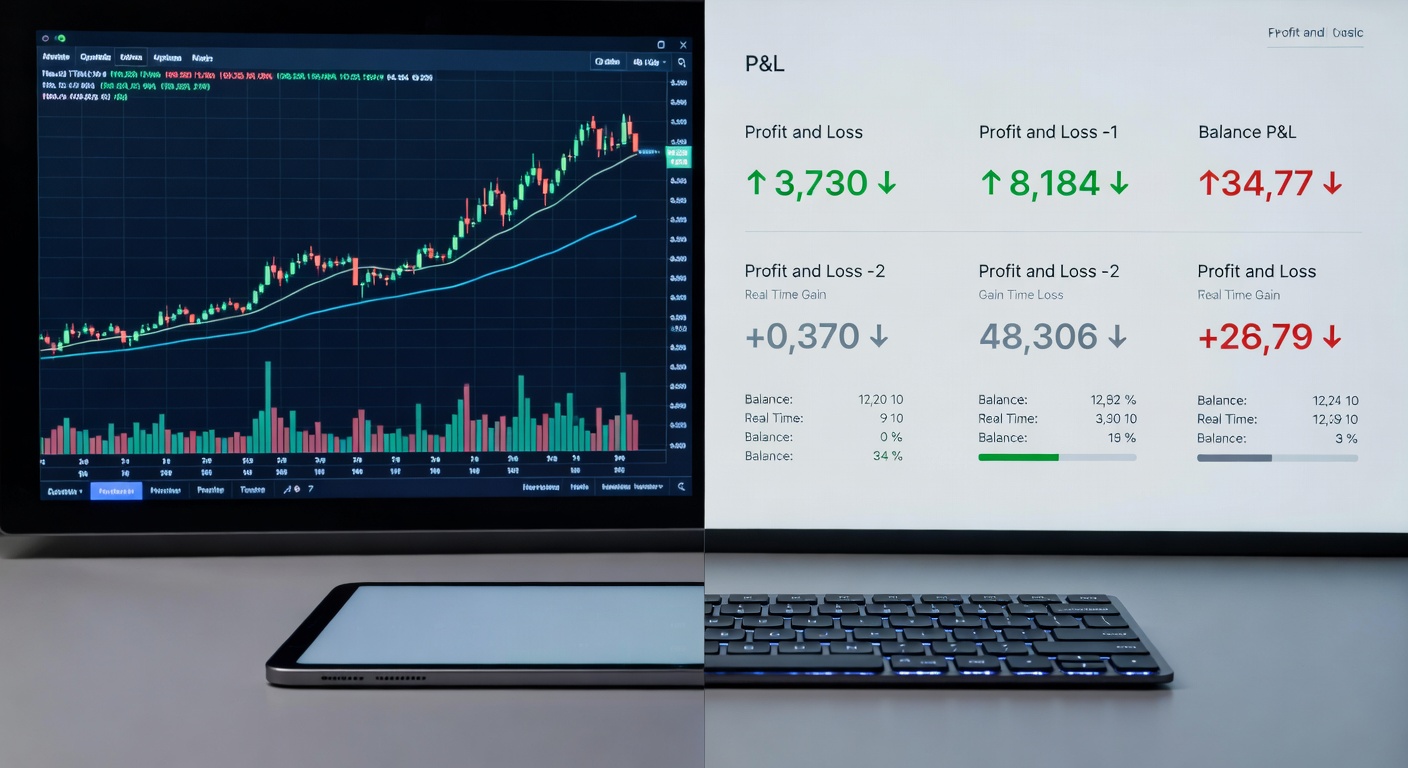
Paper trading gets dismissed by experienced traders and underused by new ones. Both are mistakes.
Experienced traders dismiss it because simulated trades lack real psychological pressure. New traders skip it because they want to start making money immediately. Both groups pay tuition they didn't have to pay.
This guide explains how to paper trade options correctly — with enough structure that the practice actually transfers to live trading — and how OptionScout's integrated paper trading removes the main friction: finding data to trade against.
What Paper Trading Actually Teaches (And What It Doesn't)
What It Teaches
Position sizing intuition — Simulating trades at 1, 5, and 10 contracts forces you to understand that position sizing is a discrete decision, not an afterthought. You'll notice how a 10-contract position moves your simulated P&L differently than 1 contract. This awareness transfers.
Reaction to data — When a GEX signal or flow sweep fires, do you enter immediately? Wait for confirmation? Paper trading builds the habit of having a plan before the signal fires, not scrambling to decide in the moment.
Exit discipline — Most retail traders know their entries better than their exits. Paper trading is safe to practice failing exits: holding past your stop, taking profits too early, watching a winner reverse. Each simulated mistake is a lesson without tuition.
Strategy fit — Not all strategies fit all traders. Some traders hate managing 0DTE positions every 15 minutes; others thrive on it. Paper trading lets you discover your natural fit before expensive adjustments.
What It Doesn't Teach
Emotional management under real loss — The fear of losing real capital changes decision-making in ways simulation can't replicate. Paper trading builds habits; it doesn't build the emotional muscle. That requires small live trades.
Market impact at scale — Paper trading assumes infinite liquidity at the mid price. Real fills often require concessions, especially on illiquid strikes.
How to Paper Trade Options Correctly
Most traders paper trade wrong: they place simulated trades casually, without tracking results, and declare themselves "ready" after a winning streak. This teaches nothing useful.
Rule 1: Trade in Real Time, Not After
Paper trades placed after you already know the outcome are worthless. You must enter your simulated position before the move, with a real hypothesis. "I believe this sweep signal in negative GEX territory will produce follow-through — I'm entering a call debit spread at these strikes."
Rule 2: Document Every Trade
For each paper trade, record:
- Thesis: Why you entered (GEX signal, flow alert, chart pattern)
- Entry: Strike, expiration, premium paid, number of contracts
- Exit target: Where you plan to take profit
- Stop: Where you're wrong and will exit
- Actual exit: What actually happened and why you exited when you did
Without this log, you're not practicing — you're playing.
Rule 3: Simulate Real Capital Constraints
Start with a defined simulated account size — say $10,000. Size each position at 2–5% of that account. If you blow 20% in paper trading, don't reset. Understand what you did wrong. Real accounts don't reset.
Rule 4: Track Performance by Setup Type
After 20–30 trades, group them by setup type:
- GEX sweep setups vs. naked flow setups
- 0DTE vs. weekly expiration
- Opening range setups vs. midday setups
Your edge will be concentrated in 1–2 setup types. Paper trading reveals which ones with enough sample size.
Rule 5: Graduate Gradually
Paper trading should end when you have:
- 30+ completed trades with documented theses
- A positive edge on a specific setup type (50%+ win rate OR wins that average 2x your losses)
- Consistent exit discipline (stops honored on 90%+ of trades)
When you go live, start at 1 contract per setup regardless of your simulated size.
Paper Trading Options on OptionScout
OptionScout's paper trading is integrated with live GEX and flow data. This solves the biggest problem with paper trading: most standalone simulators don't give you the live market context to trade against.
How It Works
- Review the GEX dashboard — check the current regime, gamma walls, and zero-gamma level before setting your bias
- Watch the flow scanner — when a sweep or unusual activity alert fires, decide if it meets your setup criteria
- Enter the paper trade — open a position in the paper trading module with specific strike, expiration, and contract count
- Set your exit targets — define your profit target and stop loss before the position is live
- Log your thesis — write down why you entered and what would make you wrong
- Track results — OptionScout shows your simulated P&L against the live underlying
The advantage over standalone paper trading apps: every trade is anchored in the same GEX and flow data you'll use when trading live.
Paper Trading Strategies Worth Practicing
Strategy 1 — GEX Gamma Wall Scalp (0DTE)
On expiration Fridays, when SPY is trading 2–4 points below a major gamma wall with 3–4 hours to close:
- Paper trade a call debit spread targeting the gamma wall
- Target: full debit recovered at 50% of max profit
- Stop: close if underlying moves 1% below entry
This setup is highly learnable because it's mechanical and repeatable. Track your results over 10–15 paper trades on consecutive expiration Fridays.
Strategy 2 — Flow Sweep + GEX Confirmation
When OptionScout's flow scanner alerts on a large at-the-ask call sweep in negative GEX territory:
- Paper trade a call debit spread or single long call in the same direction
- Wait for the first 15-minute candle to confirm direction before entering
- Stop: close if the underlying reverses 50% of the initial move post-entry
Strategy 3 — Iron Condor in High Positive GEX
When SPY's net GEX is strongly positive and VIX is below its 20-day average:
- Paper trade an iron condor on SPY with wings at the gamma walls
- Target: 25% of max credit collected
- Stop: one wing breaches by 1%
This practices the high positive GEX income setup — a regime where price pinning benefits short premium strategies.
When to Stop Paper Trading and Go Live
You're ready for live trading when:
- You have 30+ documented paper trades across at least 3 setup types
- You've been profitable in your core setup over the last 15 trades
- You've honored your stop loss on 90%+ of trades (not 100% — perfect discipline is for robots; 90% is human)
- You can explain your edge in one sentence: "I trade SPY call spreads when OptionScout's AI flags a sweep in negative GEX territory, entering after the first 15-minute candle confirms"
When you go live: one contract. No exceptions until you've had 10 live trades.